Understanding ATEX
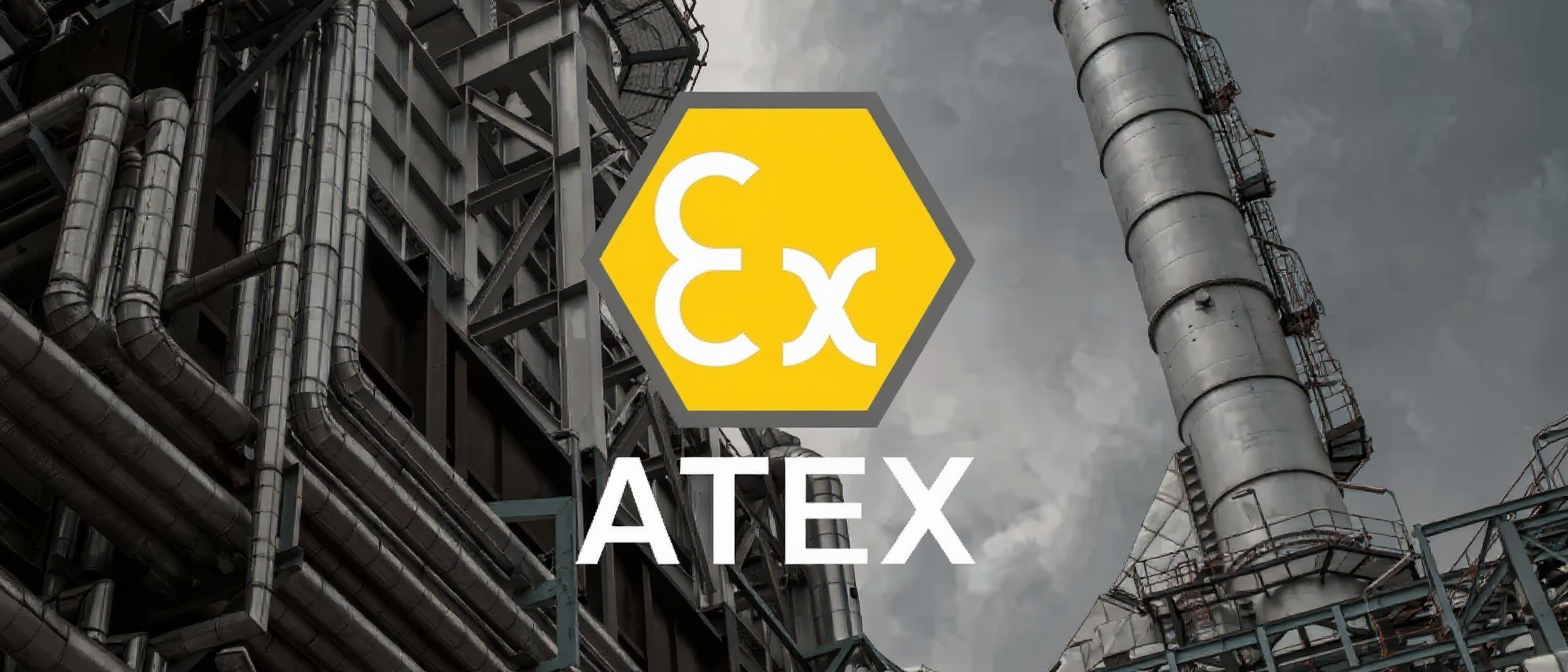
ATEX (from the French ATmosphères EXplosibles) refers to two European directives that govern equipment and work environments in potentially explosive atmospheres. Directive 2014/34/EU covers equipment and protective systems intended for use in such areas, while Directive 99/92/EC establishes minimum requirements for worker health and safety in hazardous locations.
CHS Intl provides end-to-end ATEX compliance engineering — from initial risk assessment and area classification through to technical documentation, CE marking support, and personnel training. Non-compliance with the ATEX directives carries significant legal and financial consequences: facilities can face forced shutdown, invalidated insurance, and unlimited employer liability in the event of an incident involving an unclassified or incorrectly equipped hazardous area.
Our ATEX Services
- Hazardous area classification studies (IEC 60079-10)
- Explosive atmosphere risk assessment
- ATEX technical file & documentation preparation
- CE marking support for ATEX equipment
- Equipment selection for Zone 0, 1, 2, 20, 21, 22
- Ignition hazard assessment (IEC 60079-10-1/-2)
- Zone drawing preparation and review
- Conformity assessment (Category 1, 2, 3)
- Ex design modifications and reviews
- Inspection & maintenance programme development
- Periodic compliance audit support
- ATEX personnel training programmes
Applicable Standards
- Directive 2014/34/EU (ATEX Equipment)
- Directive 99/92/EC (ATEX Workplace)
- IEC 60079-0 (General requirements)
- IEC 60079-10-1 (Gas area classification)
- IEC 60079-10-2 (Dust area classification)
- IEC 60079-17 (Inspection & maintenance)
- EN 13463 (Non-electrical equipment)
- NEC 500 / NEC 505 (North American equivalents)
Industry Applications
Our Compliance Process
-
Hazard Identification — We identify all potential sources of flammable gas, vapour, mist, or dust release within the facility or product boundary.
-
Area Classification — Zones are defined and documented in accordance with IEC 60079-10-1 (gas) or IEC 60079-10-2 (dust), including zone extent estimation.
-
Equipment Selection & Review — We verify that all electrical and non-electrical equipment within classified zones carries the correct ATEX marking and category.
-
Documentation Package — Technical files, zone drawings, equipment registers, and health & safety documentation are compiled for the Notified Body and duty holder.
-
Inspection Programme — An initial and periodic inspection schedule is developed per IEC 60079-17 to maintain ongoing compliance.
-
Training — We deliver site-specific training sessions for operators, maintenance staff, and management on hazardous area awareness and safe working practices.
Example Outcome
A chemical plant operator was preparing for a major insurance renewal and needed to demonstrate that their hazardous area classification scheme was current and compliant with IEC 60079-10-1. The existing zone drawings had not been updated in over ten years, and several process modifications had been made without triggering a formal re-classification. CHS Intl conducted a full site survey and classification review, identifying 14 previously unclassified Zone 2 areas around modified vessel vent points and pump seal housings. Corrected zone drawings, an updated equipment register, and a prioritised action plan were delivered within three weeks.
14 unclassified zones identified — insurance renewal secured with zero conditionsFrequently Asked Questions
What does ATEX stand for and what does it cover?
ATEX is derived from the French ATmosphères EXplosibles. It covers two European directives: Directive 2014/34/EU governs equipment and protective systems intended for use in potentially explosive atmospheres, while Directive 99/92/EC sets minimum safety requirements for workers in those environments. Any electrical or mechanical equipment placed in a Zone 0, 1, 2, 20, 21, or 22 area within the EU must comply with 2014/34/EU and carry the ATEX Ex marking.
What is the difference between ATEX Zone 1 and Zone 2?
Zone classification describes how frequently an explosive gas atmosphere is present. Zone 0 means an explosive atmosphere is present continuously or for long periods. Zone 1 means it is likely to occur in normal operation occasionally. Zone 2 means it is not likely to occur in normal operation, but may do so for short periods if it does. Equipment must be rated for the zone in which it is installed: Zone 1 equipment (Category 2G) can also be used in Zone 2, but not vice versa.
Who is responsible for ATEX compliance on a site?
Under Directive 99/92/EC, the employer (duty holder) is responsible for classifying hazardous areas, maintaining an Explosion Protection Document (EPD), and ensuring all equipment within classified zones is ATEX-rated and correctly maintained. Equipment manufacturers bear responsibility for the conformity of their products under Directive 2014/34/EU. CHS Intl supports both duty holders and manufacturers in meeting their respective obligations.
Does ATEX compliance apply outside the European Union?
The ATEX directives are EU law, but many countries outside the EU adopt equivalent frameworks. The IECEx scheme (International Electrotechnical Commission) is the global equivalent and is recognised in Australia, South Africa, Brazil, and many other jurisdictions. In North America, NEC 500 and NEC 505 (US) and CEC Section 18 (Canada) cover similar ground. CHS Intl can advise on the applicable framework for your project location.
How often should ATEX installations be inspected?
IEC 60079-17 requires an initial inspection before commissioning and periodic inspections thereafter. The frequency of periodic inspections is risk-based — typically every 1–3 years for Zone 1 installations and every 3–5 years for Zone 2 — but should be determined by a competent person considering the installation environment, maintenance history, and equipment type. CHS Intl develops site-specific inspection programmes that satisfy both the standard and the duty holder’s insurance requirements.
Can standard industrial equipment be modified for use in ATEX zones?
Standard equipment can be adapted for hazardous areas, but any modification that affects the explosion protection must be assessed and documented — the modifier effectively takes on the role of manufacturer under 2014/34/EU. The modified equipment must still meet all applicable EN/IEC standards for its protection concept (e.g. Ex d flameproof, Ex e increased safety, Ex n non-sparking). CHS Intl provides modification assessments and the required technical documentation.