Guides for engineers who have to defend the numbers
This knowledge base answers the questions that come up before a simulation or a compliance project starts: when FEA beats a physical test and when only a test rig will do, how to prove a CFD result is independent of its mesh, how ATEX zones are actually classified, and when pressure equipment should be designed by analysis rather than by formula.
Each guide covers the method, the standard behind it and the mistakes that cost projects time — and each links to the service it belongs to, so you can go straight from the explanation to what we do.
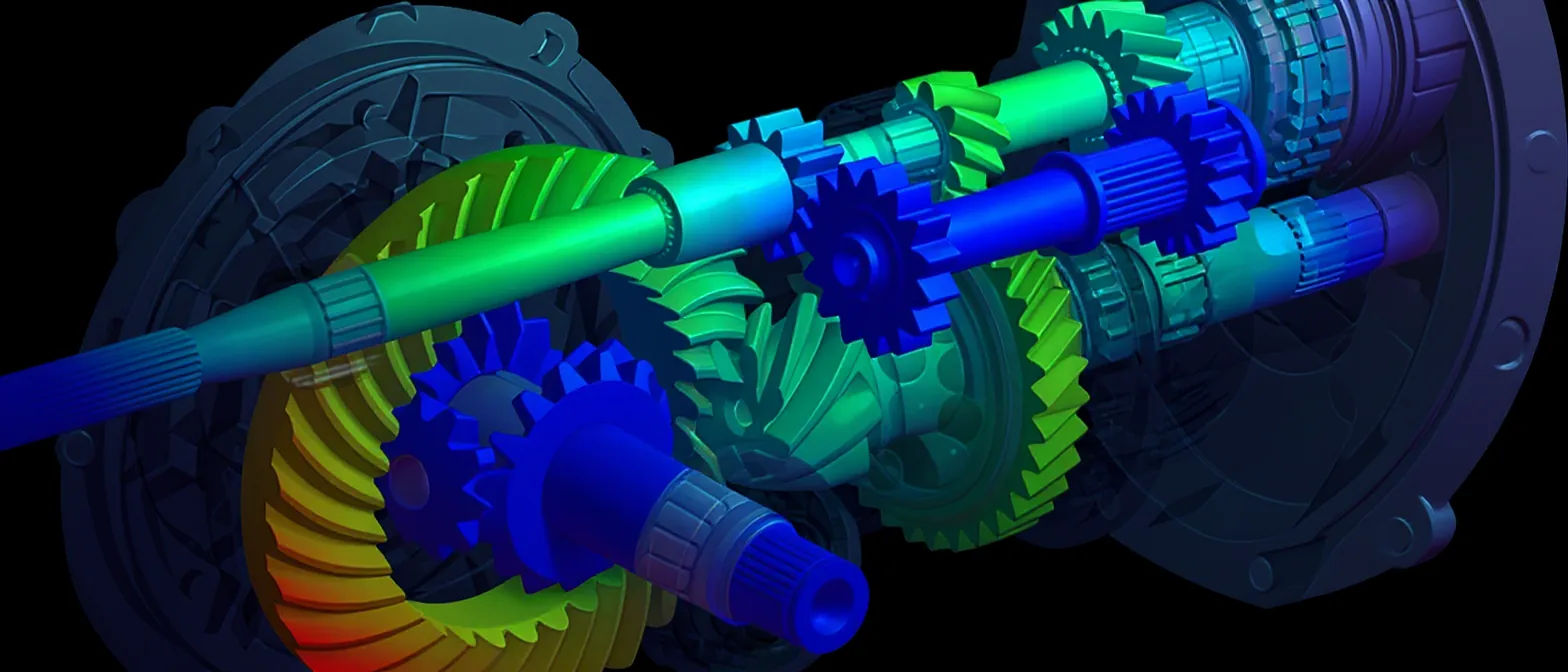
Engineers face this question on every project: run a simulation or build a prototype? The answer is rarely one or the other. This guide breaks down what FEA does better than a test rig, where physical testing remains irreplaceable, and how leading engineering teams combine both for maximum efficiency.
Decision guide — what FEA predicts more reliably than a test rig, where physical testing stays irreplaceable, and how to combine both on one programme.
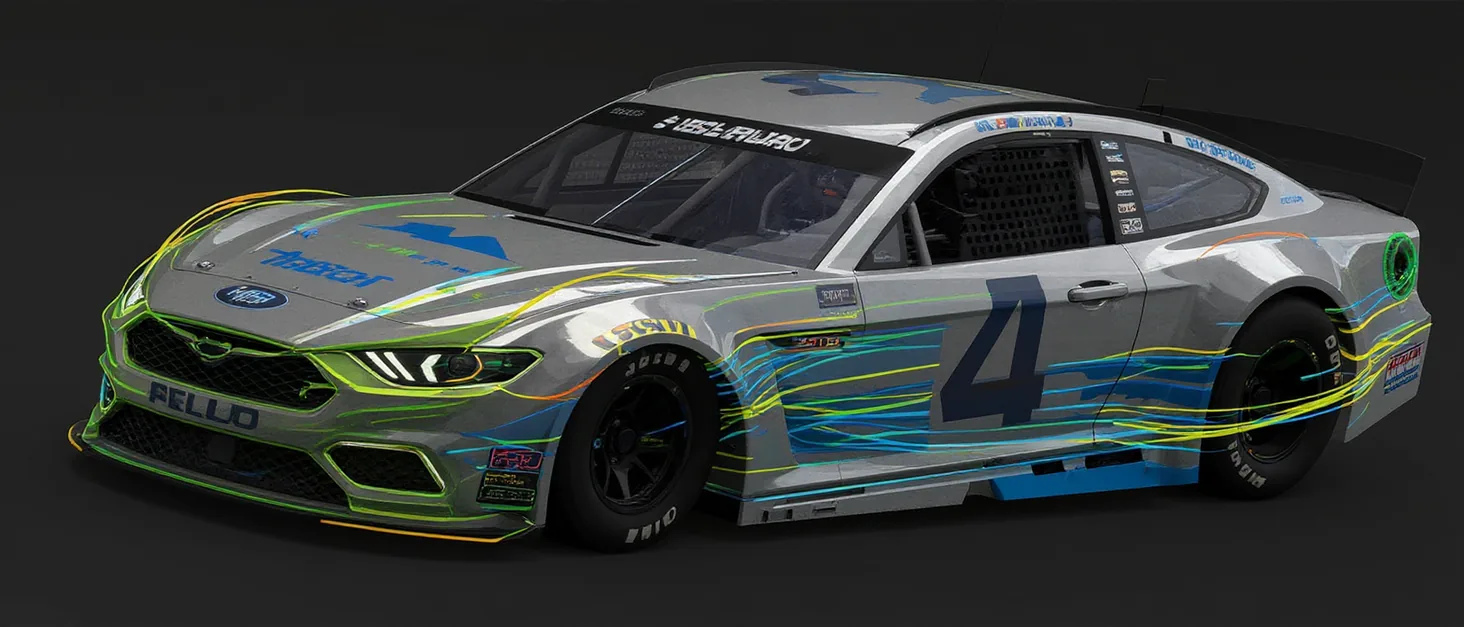
A mesh independence study is the single most important quality check in any CFD simulation. Without it, you cannot know if your results reflect reality or just the mesh you happened to use. Here is how to do it properly.
Method guide — what a mesh independence study (grid independence study) is, why every CFD result depends on it, and how to run and report one convincingly.
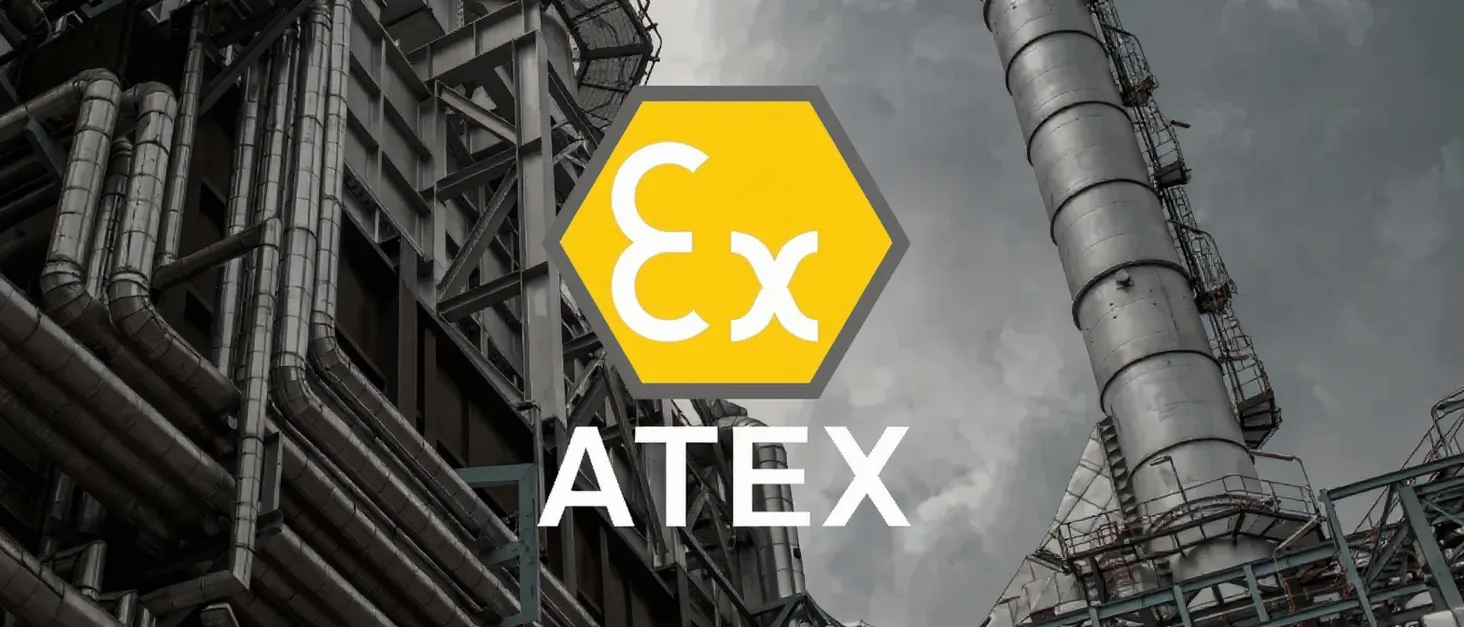
Zone classification is the foundation of every ATEX compliance programme — but it is frequently misunderstood, out of date, or simply missing. This guide explains the zone types, the classification process, and the most common mistakes.
Compliance guide — the six gas and dust zones, the IEC 60079-10 classification process, and the mistakes that invalidate a zone drawing.
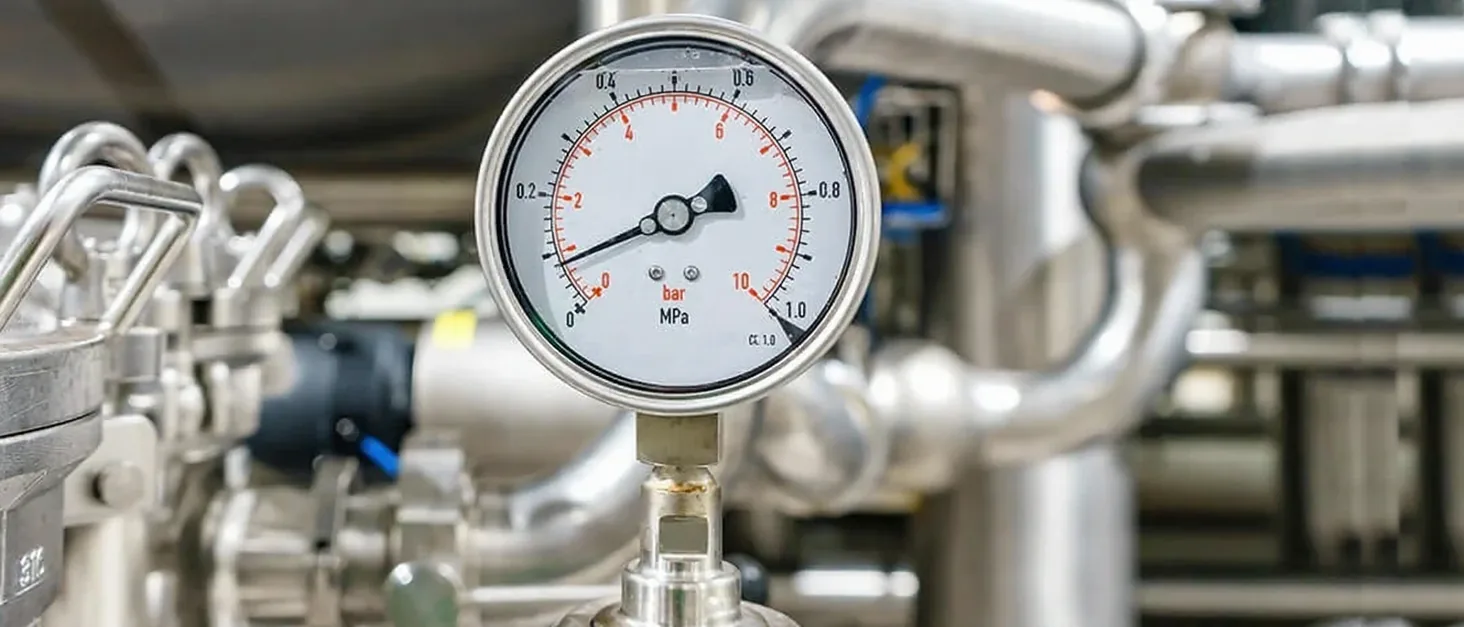
EN 13445 gives pressure vessel designers two routes to demonstrate compliance: design by formula and design by analysis. DbA is more powerful — but only when used correctly. This article explains when to choose it and what it involves.
Compliance guide — design by formula versus design by analysis under EN 13445, and when the DbA route earns its extra effort.
Have a simulation or compliance challenge?
Our engineering team responds within one business day. No obligation, no boilerplate — just expert advice on your specific problem.